

Why Hiring a Cab Is Better Than Driving Your Own Car for Long Trips
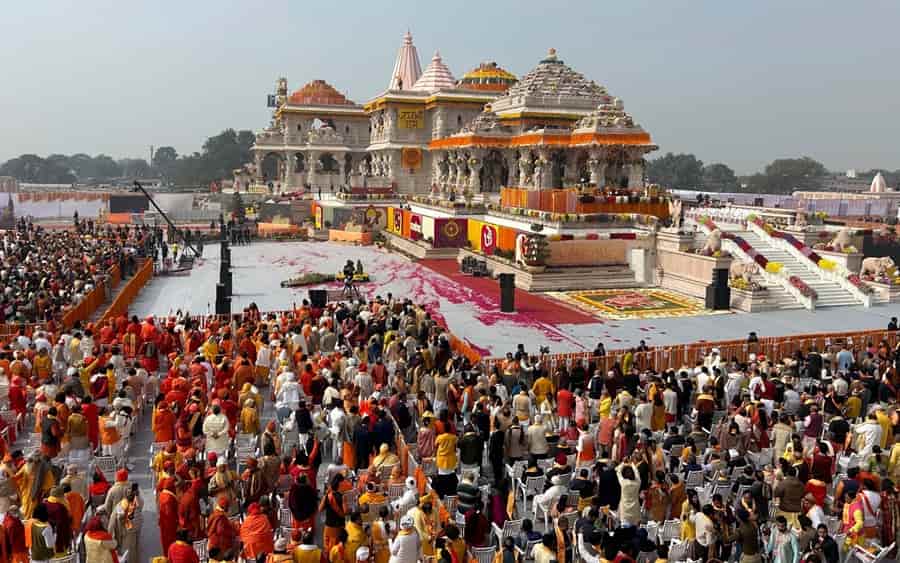
Ayodhya Ram Mandir Road Trip: Route, Attractions & Travel Tips

Why One-Way Cab Bookings Are the Smart Travel Choice
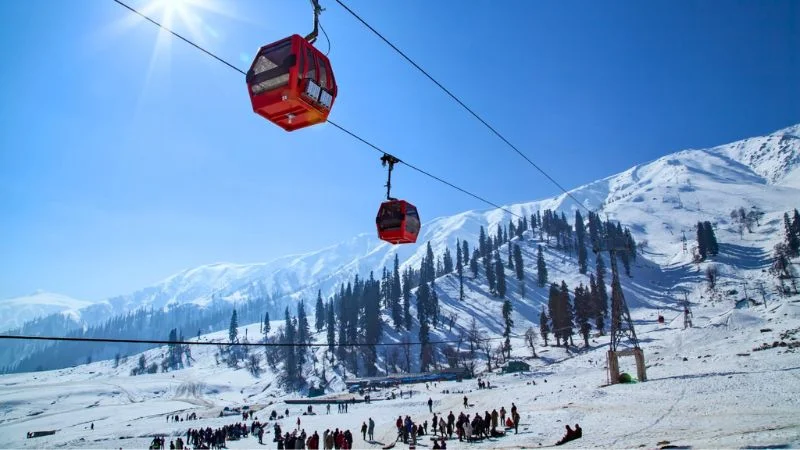
7 Best Places to Visit by Cab in India This Winter (Nov–Feb 2025)

Why Choosing an Outstation Cab Makes Your Holiday Better
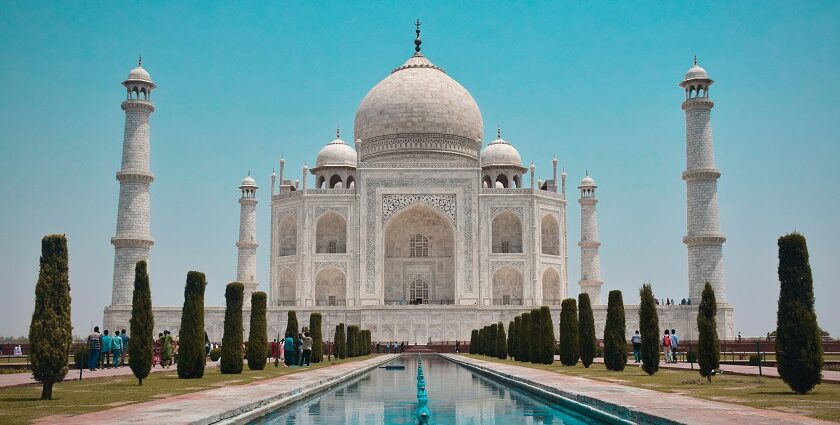
15 Must-Visit Places in Uttar Pradesh in 2025
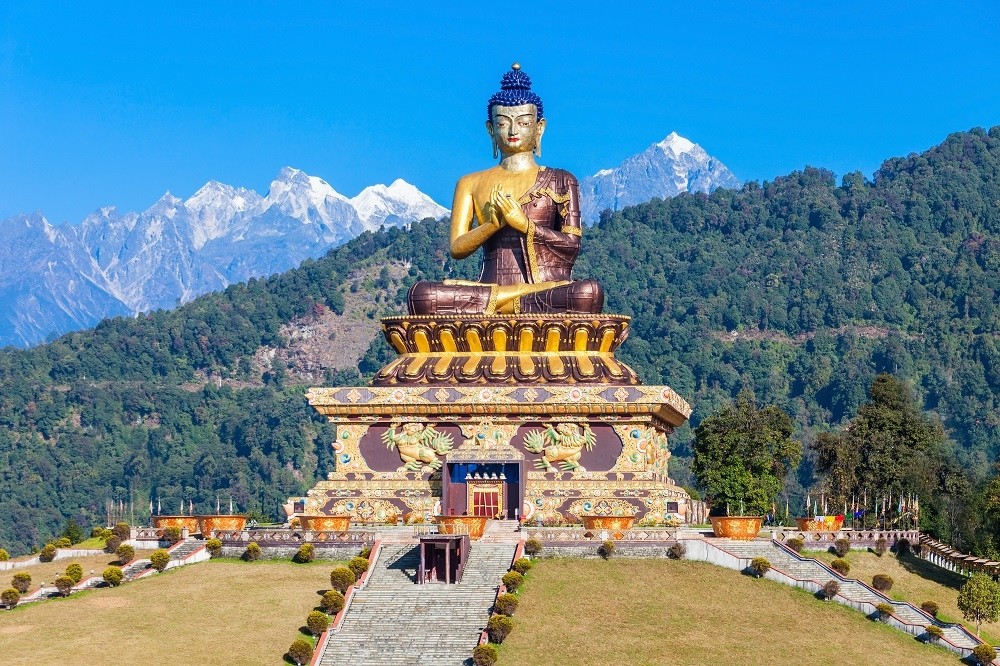
When Is the Best Time to Go to Sikkim? Month-by-Month Guide
October Escape: Top Places to Visit in North India

- April 22, 2024
- Posted By : Sewakcabs
A Guide to the Chardham Yatra 2024: Online registration now open!
A Guide To The Chardham Yatra 2024: Online Registration Now Open!
The Char Dham Yatra in Uttarakhand is a major pilgrimage in Hinduism, encompassing four revered temples: Yamunotri, Gangotri, Kedarnath, and Badrinath. These holy sites attract multitudes of devotees annually during the yatra season.
Sewak Travels, with its unwavering commitment to seamless travel experiences, invites you to embark on this divine journey, where every step leads you closer to spiritual enlightenment.
Below are details regarding the general schedule for the opening and closing dates of the Panch Kedar and Chardham Yatra 2024.
Panch Kedar Temple Opening & Closing Dates 2024
|
TEMPLES |
OPENING DATES |
CLOSING DATES |
|
Kedarnath |
10 May 2024 |
2 November 2024 |
|
Tungnath |
14 May 2024 |
Yet to be announced |
|
Rudranath |
18 May 2024 |
Yet to be announced |
|
Madhyamaheshwar |
22 May 2024 |
Yet to be announced |
|
Kalpeshwar |
Open round the year |
- |
Chardham Yatra Opening & Closing Dates 2024
|
TEMPLES |
OPENING DATES |
CLOSING DATES |
|
Yamunotri |
10 May 2024 |
31 October 2024 |
|
Gangotri |
10 May 2024 |
2 November 2024 |
|
Kedarnath |
10 May 2024 |
2 November 2024 |
|
Badrinath |
12 May 2024 |
9 November 2024 |
*dates are tentative
How to register for Char Dham Yatra 2024:
1) Visit the official Char Dham yatra registration website at registrationandtouristcare.uk.gov.in
2) Click on the Register or Login option
3) Register by entering your details such as phone name, number, email id etc.
4) Complete the registration by entering the OTP sent on your mobile phone.
5) As the new dashboard appears, add details of your tour such as travel dates, number of tourists, tour name, tour type and so on
6) Once your registration is complete, a unique registration number will be sent to your mobile phone and you'll be able to download the registration letter for Chardham Yatra.
Apart from the web, registrations can also be made through the mobile application - ‘Tourist Care Uttarakhand’ which is available on Android and iOS. WhatsApp registration is also available, You need to simply message ‘Yatra’ to initiate the registration process on +91 8394833833.
Suggested Read: Char Dham Yatra 2024: Online registration now open! Here's how to apply and other details
About Kedarnath Temple
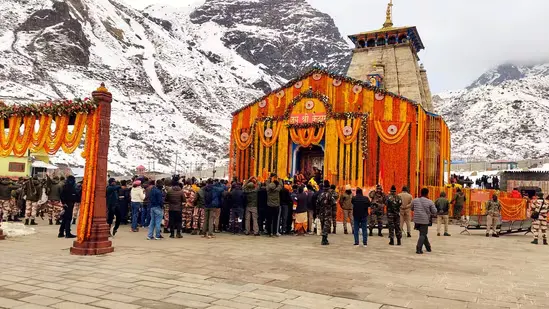
Deity Of Kedarnath Temple
The temple is renowned for its dedication to the Sadashiva manifestation of Lord Shiva, symbolized by the hump of the Nandi Avatar.
Where Is Kedarnath Temple Located?
Kedarnath Temple is located in the Rudraprayag district of the Indian state of Uttarakhand. Specifically, it is situated in the town of Kedarnath, nestled amidst the Garhwal Himalayas along the banks of the Mandakini River. The temple is approximately 3,583 meters (11,755 feet) above sea level, making it one of the highest among the Char Dhams, a group of four sacred pilgrimage sites in Hinduism.
History Of Kedarnath Temple
The history of Kedarnath Temple dates back to the second century. Some assert that Bhoj of Malwa initiated its construction, while others suggest it was erected by the Pandavas following the events of the Mahabharata when they sought forgiveness from Lord Shiva for the sins committed during the war. Lord Shiva, unable to absolve the war sins of the Pandavas, evaded meeting them and sought refuge at the site of the Kedarnath Temple.
The Best Time To Visit Kedarnath
The optimal time to visit Kedarnath Temple is during the summer season when the weather is more accommodating. Given the temple's high-altitude setting, temperatures often drop to freezing levels, resulting in its closure for approximately six months annually. It's advisable to avoid planning a trip during the winter and monsoon seasons. The best times to visit are from May to June and then from September to October, though visitors should be prepared for cooler temperatures during these periods.
How To Reach Kedarnath
- By Train: The nearest railway station to Gaurikund is located in Rishikesh, situated approximately 200 km away. Rishikesh railway station boasts robust connectivity to various parts of the northern region. Travelers have the option to either drive or book a cab from Rishikesh to Gaurikund.
- By Road: Gaurikund enjoys excellent connectivity via motorable roads, with numerous buses operating from various locations across Uttarakhand. Additionally, travelers have the option to drive themselves or book a cab to Kedarnath Temple from Delhi, Rishikesh, Haridwar, or Dehradun.
- By Flight: Jolly Grant Airport, situated 35 km from Dehradun and 235 km from Gaurikund, serves as the nearest airport. Travelers coming from distant locations can opt to book a flight to this airport. Upon arrival at Jolly Grant Airport, convenient options such as taking a bus or booking a cab to Gaurikund are available.
Kedarnath Temple Darshan Timings
The temple operates from 4 AM to 7 PM every day, with rituals conducted both in the morning and evening. There is a break in the temple's schedule from 3 PM to 5 PM.
- Entry Fee: Free
- Morning Rituals:4 AM to 3 PM
- Break:3 PM to 5 PM
- Evening Aarti:5 PM to 7 PM
Interesting Facts About Kedarnath
Kedarnath Temple is one of the twelve Jyotirlingas and is revered as one of the holiest Hindu shrines. It is also the highest among the Char Dhams.
About Badrinath Temple
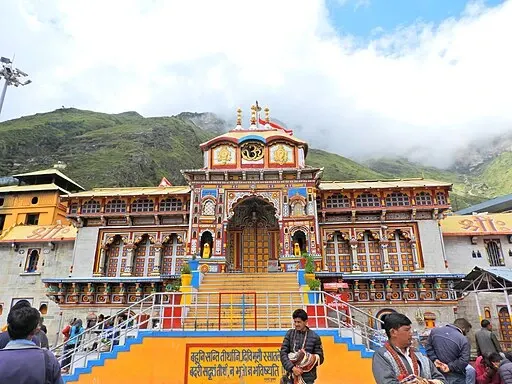
Deity Of Badrinath Temple
The presiding deity of Badrinath Temple is Lord Vishnu, worshipped in the form of Badrinarayan. Devotees flock to this sacred site to seek blessings from Lord Vishnu, believed to provide salvation and spiritual enlightenment.
Where Is Badrinath Temple Located?
Badrinath Temple is located in the Chamoli district of Uttarakhand, India. Specifically, it is situated in the town of Badrinath, nestled amidst the picturesque surroundings of the Garhwal Himalayas. The temple stands at an elevation of approximately 3,133 meters (10,279 feet) above sea level, making it one of the highest Hindu pilgrimage sites in the country.
History Of Badrinath Temple
Legend has it that the sage Narada discovered a holy site near the present-day location of Badrinath Temple, known as Badrikashram. Impressed by its serene surroundings, he meditated there, and Lord Vishnu appeared before him in the form of Badrinarayan. Pleased with Narada's devotion, Lord Vishnu decided to reside there permanently, leading to the establishment of the temple.
The Best Time To Visit Badrinath
The best time to visit Badrinath is during the summer months from May to June and the autumn season from September to October. These periods offer pleasant weather conditions with clear skies and comfortable temperatures, ideal for pilgrimage and sightseeing. It's advisable to avoid the harsh winter months from November to April when heavy snowfall and freezing temperatures make travel difficult.
How To Reach Badrinath
- By Train: The nearest railway station to Badrinath is in Rishikesh, located approximately 294 km away. From Rishikesh, travelers can hire taxis, book a cab, or board buses to cover the remaining distance to Badrinath. However, there is no direct train connectivity to Badrinath.
- By Road: Badrinath is well-connected by motorable roads, and buses ply regularly from major cities in Uttarakhand such as Rishikesh, Haridwar, and Dehradun. Additionally, options like hiring private cabs or taxis and shared jeeps are available for a more comfortable and flexible journey.
- By Flight: The nearest airport to Badrinath is Jolly Grant Airport in Dehradun, situated around 317 km away. From the airport, travelers can either hire taxis, book a cab, or board buses to reach Badrinath. However, it's important to note that there are no direct flights to Badrinath, and travelers need to cover the remaining distance by road by booking a cab online from Sewak Travels.
Badrinath Temple Darshan Timings
The temple operates from 4:30 AM to 9:00 PM every day, with rituals conducted both in the morning and evening. The temple closes for a brief recess from 1:00 PM to 4:00 PM.
- Entry Fee:Free
- Morning Rituals:4:30 AM to 1:00 PM
- Break:1:00 PM to 4:00 PM
- Evening Aarti:4:00 PM to 9:00 PM
Interesting Facts About Badrinath
The temple is dedicated to Lord Vishnu and is believed to be one of the 108 Divya Desams mentioned in ancient Hindu scriptures.
About Gangotri Temple
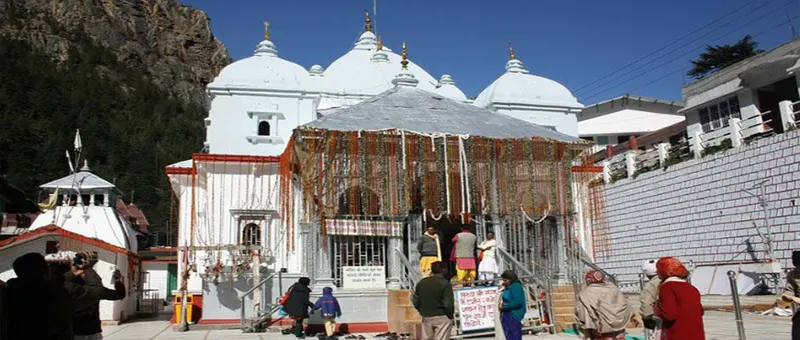
Deity Of Gangotri Temple
The presiding deity of Gangotri Temple is Goddess Ganga, worshipped in the form of a sacred stone slab known as the "Shree Yantra."
Where Is Gangotri Temple Located?
Gangotri Temple is situated in the Uttarkashi district of Uttarakhand, India. It is located near the origin of the River Ganges, at an altitude of approximately 3,100 meters (10,200 feet) above sea level, amidst the majestic Himalayan mountains. The temple is nestled in the picturesque surroundings of the Garhwal Himalayas, offering devotees a serene and spiritually uplifting atmosphere for worship and pilgrimage.
History Of Gangotri Temple
According to ancient scriptures, the temple is believed to have been constructed by the Nepalese General Amar Singh Thapa in the early 18th century. Legend has it that Gangotri Temple marks the spot where the Goddess Ganga descended from heaven to earth in response to the prayers of King Bhagirath, an ancestor of Lord Rama. The Goddess, in the form of the holy River Ganges, is said to have washed away the sins of King Bhagirath's ancestors, thus granting salvation to their souls.
The Best Time To Visit Gangotri
The best time to visit Gangotri is during the summer months from May to June and the early autumn season from September to October. These periods offer pleasant weather conditions with clear skies and moderate temperatures, ideal for pilgrimage and sightseeing. It's advisable to avoid the harsh winter months from November to April when heavy snowfall and freezing temperatures make travel difficult.
How To Reach Gangotri
- By Train: Gangotri does not have a railway station of its own. The nearest railway station is in Rishikesh, approximately 242 kilometers away. From Rishikesh, travelers can hire taxis, book a cab, or board buses to cover the remaining distance to Gangotri.
- By Road: Gangotri is well-connected by motorable roads, and buses operate regularly from major cities in Uttarakhand such as Rishikesh, Haridwar, and Dehradun. Options like hiring private cabs or taxis are also available for a more comfortable and flexible journey.
- By Flight: The nearest airport to Gangotri is Jolly Grant Airport in Dehradun, situated around 270 kilometers away. From the airport, travelers can hire taxis, book a cab, or board buses to reach Gangotri. However, it's important to note that there are no direct flights to Gangotri, and travelers need to cover the remaining distance by road by booking a cab online from the best car rental agency.
Gangotri Temple Darshan Timings
The temple operates from 6:15 AM to 9:30 PM every day, with rituals conducted both in the morning and evening. The temple closes for a brief recess from 1:00 PM to 3:00 PM.
- Entry Fee:Free
- Morning Rituals:6:15 AM - 1:00 PM
- Break:1:00 PM to 3:00 PM
- Evening Aarti:3:00 PM - 9:30 PM
Interesting Facts About Gangotri
It marks the origin of the sacred River Ganges, considered one of the holiest rivers in Hinduism. The temple's architecture showcases traditional Himalayan style, adorned with intricate carvings and sculptures.
About Yamunotri Temple
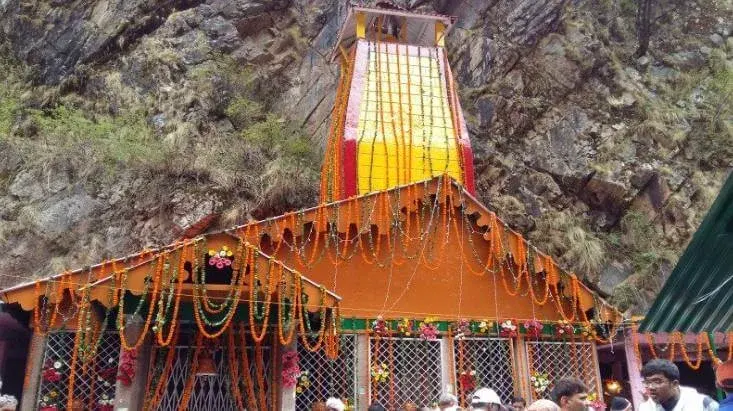
Deity Of Yamunotri Temple
The presiding deity of Yamunotri Temple is Goddess Yamuna, worshipped in the form of a black marble idol adorned with flowers and jewelry. Devotees believe that Goddess Yamuna is the daughter of the Sun God, Surya, and sister of Yama, the God of Death.
Where Is Yamunotri Temple Located?
Yamunotri Temple is located in the Uttarkashi district of Uttarakhand, India. Specifically, it is situated in the town of Yamunotri, nestled amidst the Garhwal Himalayas. The temple stands at an elevation of approximately 3,293 meters (10,804 feet) above sea level, near the source of the sacred Yamuna River. Accessible via a trekking route from the town of Hanuman Chatti, Yamunotri Temple is renowned as one of the Char Dhams, a revered pilgrimage site in Hinduism.
History Of Yamunotri Temple
According to ancient scriptures, Yamunotri Temple is believed to have been constructed by Maharaja Pratap Shah of Tehri Garhwal during the 19th century. Legend has it that Yamunotri Temple marks the source of the Yamuna River, one of the holiest rivers in Hinduism. It is said that Sage Asit Muni, in his quest for solitude, discovered this pristine location and began worshipping Goddess Yamuna. Pleased with his devotion, Goddess Yamuna manifested herself at this spot, thus sanctifying the place.
The Best Time To Visit Yamunotri
The best time to visit Yamunotri is during the summer months from May to June and the early autumn season from September to October. These periods offer pleasant weather conditions with clear skies and moderate temperatures, ideal for pilgrimage and sightseeing. It's advisable to avoid the harsh winter months from November to April when heavy snowfall and freezing temperatures make travel difficult.
How To Reach Yamunotri
- By Train: Yamunotri does not have a railway station of its own. The nearest railway station is in Rishikesh, approximately 210 kilometers away. From Rishikesh, travelers can hire taxis, book a cab, or board buses to cover the remaining distance to Yamunotri.
- By Road: Yamunotri is well-connected by motorable roads, and buses operate regularly from major cities in Uttarakhand such as Rishikesh, Haridwar, and Dehradun. Options like hiring private cabs or taxis and shared jeeps are also available for a more comfortable and flexible journey.
- By Flight: The nearest airport to Yamunotri is Jolly Grant Airport in Dehradun, situated around 210 kilometers away. From the airport, travelers can hire taxis, book a cab, or board buses to reach Yamunotri. However, it's important to note that there are no direct flights to Yamunotri, and travelers need to cover the remaining distance by road by booking a cab online from the best car rental agency.
Yamunotri Temple Darshan Timings
The temple operates from 6:00 AM to 8:00 PM every day, with rituals conducted both in the morning and evening. The temple closes for a brief recess from 12:00 PM to 2:00 PM.
- Entry Fee:Free
- Morning Rituals:6:00 AM - 12:00 PM
- Break:12:00 PM to 2:00 PM
- Evening Aarti:2:00 PM - 8:00 PM
Interesting Facts About Yamunotri
Legend has it that a hot water spring known as "Surya Kund" near the temple is believed to have medicinal properties and is used for cooking rice and potatoes by devotees.
Conclusion:
As you conclude your sacred odyssey through the Chardham Yatra, remember that the journey does not end with your physical return. The memories, blessings, and spiritual insights gathered along the way will linger in your heart forever. Sewak Travels remains committed to facilitating your spiritual pursuits, ensuring that every step of your pilgrimage is imbued with comfort, convenience, and reverence.
With our convenient online cab booking service, you can easily plan your transportation for the Chardham Yatra 2024. Whether you need an outstation cab service or a car rental in Delhi with driver, Sewak Travels has you covered. Don't miss out on the opportunity to experience the spiritual journey of a lifetime. Book car rental online now and embark on the sacred pilgrimage to the four revered temples of Yamunotri, Gangotri, Kedarnath, and Badrinath.
FAQs
What is the Tungnath Temple opening date 2024?
The opening date of Tungnath Temple for the 2024 season is 14 May 2024.
When is the Badrinath temple opening date 2024?
The Badrinath opening date 2024 is 12 May 2024.
When Kedarnath temple will open in 2024?
The Kedarnath temple opening date 2024 is 10 May 2024.
For how many months is Kedarnath Temple open in a year?
Kedarnath Temple remains open for pilgrimage from late April or early May until the onset of winter in October or November, spanning approximately six to seven months each year.
What is the height of Kedarnath temple from sea level?
Kedarnath Temple is situated at an elevation of approximately 3,583 meters (11,755 feet) above sea level, amidst the majestic Himalayan peaks.
Is Kedarnath temple open now?
Kedarnath Temple remains closed during the winter months due to heavy snowfall and extreme weather conditions. It typically reopens for the annual pilgrimage season in late April or early May.